
Co-founderHyperlocalMarketing · growthiOS · Android next
Community · LocalBuilding now · web liveNearby is a hyperlocal community: posts from the people around you. Open it and you see what is happening near you, from alerts and recommendations to events, food, places to rent and questions from neighbours, on a feed and on a map. You can also browse a place you are not in yet.
I am the co-founder. The web app is live at usenearby.app, and the iOS and Android apps are the next step. Beyond the code I am looking into everything that makes a product grow: marketing, social media, community, and how people first hear of it. One of those ideas is already running: we distribute printed postcards, each with a QR code into the app, to bring in users one place at a time. We started in Goa.
ServerlessUPI paymentsSheets APIBrand · ops
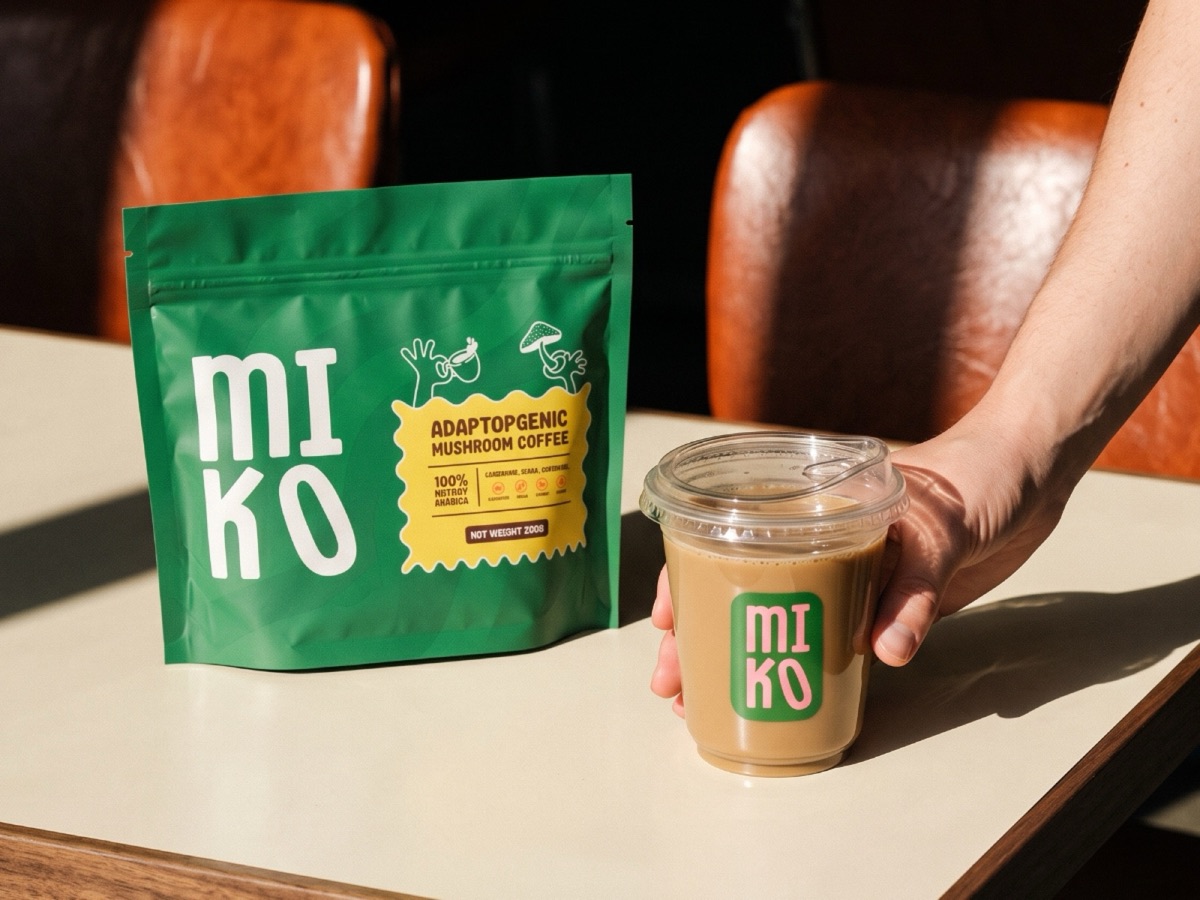
Commerce · D2CServerless · UPI · SheetsA direct-to-consumer mushroom-coffee brand, started from zero: customer interviews, brainstorming the offer, then the full stack behind it. Storefront and checkout run on serverless functions; payments are UPI-first with a card fallback; orders, inventory and fulfilment status sync into a Google Sheet via the Sheets API so the packing workflow needs no admin panel.
I own the engineering and work closely with a designer and the rest of the team across the business: brand, packaging, sourcing, marketing and fulfilment. That also means idempotent webhook retries, failed-payment reconciliation and the occasional lost parcel. Correctness here is measured in delivered orders.
Web AudioSignal processingVanilla JS
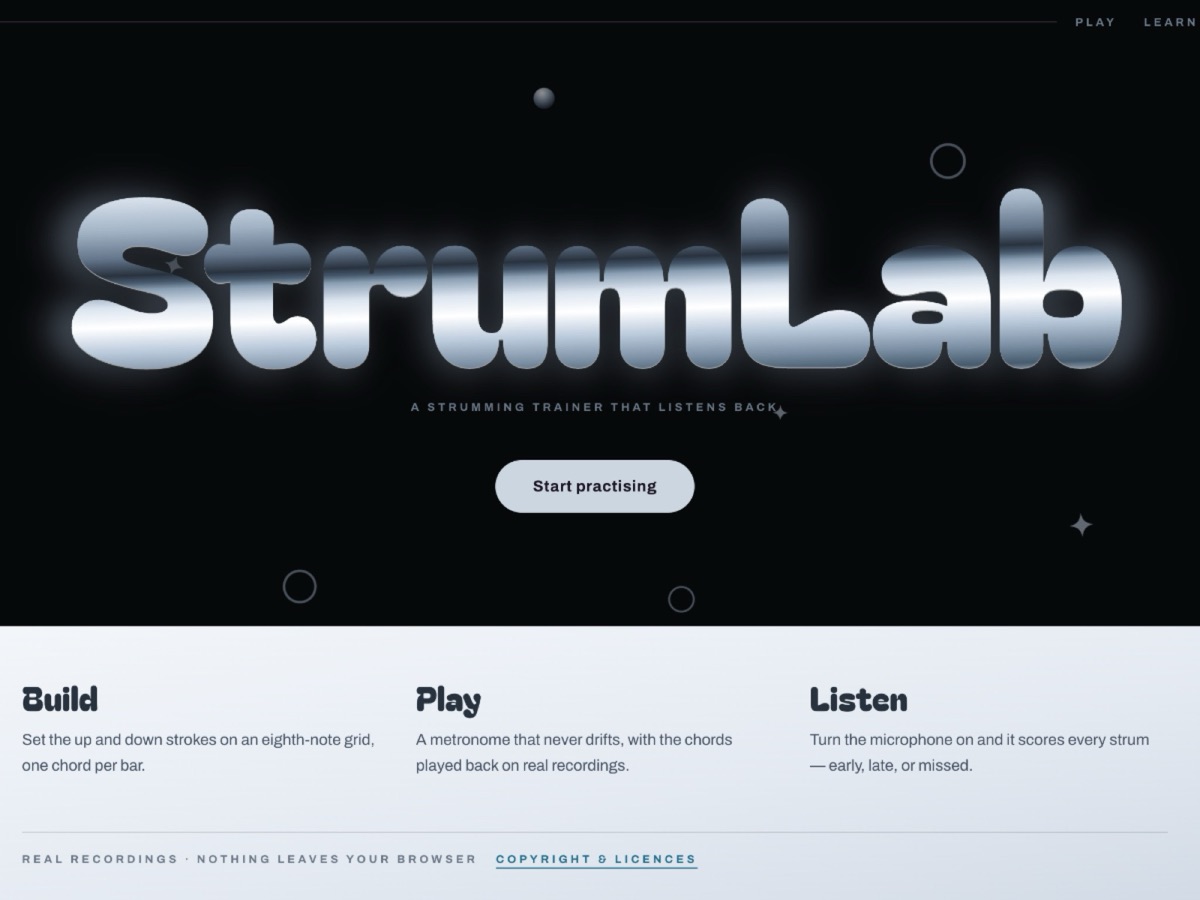
Audio · Client-sideZero backendA browser-based strumming trainer built from scratch for a guitar school, starting with interviews with the teachers about how students actually practise. Students set a strumming pattern on an eighth-note grid, play along to real chord recordings, and the app scores each strum from live microphone input (early, late or missed) against a sample-accurate metronome.
Everything runs client-side on the Web Audio API: onset detection on the mic stream, scheduling via AudioContext time rather than setTimeout so the click never drifts, and no server in the loop. Zero backend, zero latency excuses.
Site structureSEOWhatsApp lead capture
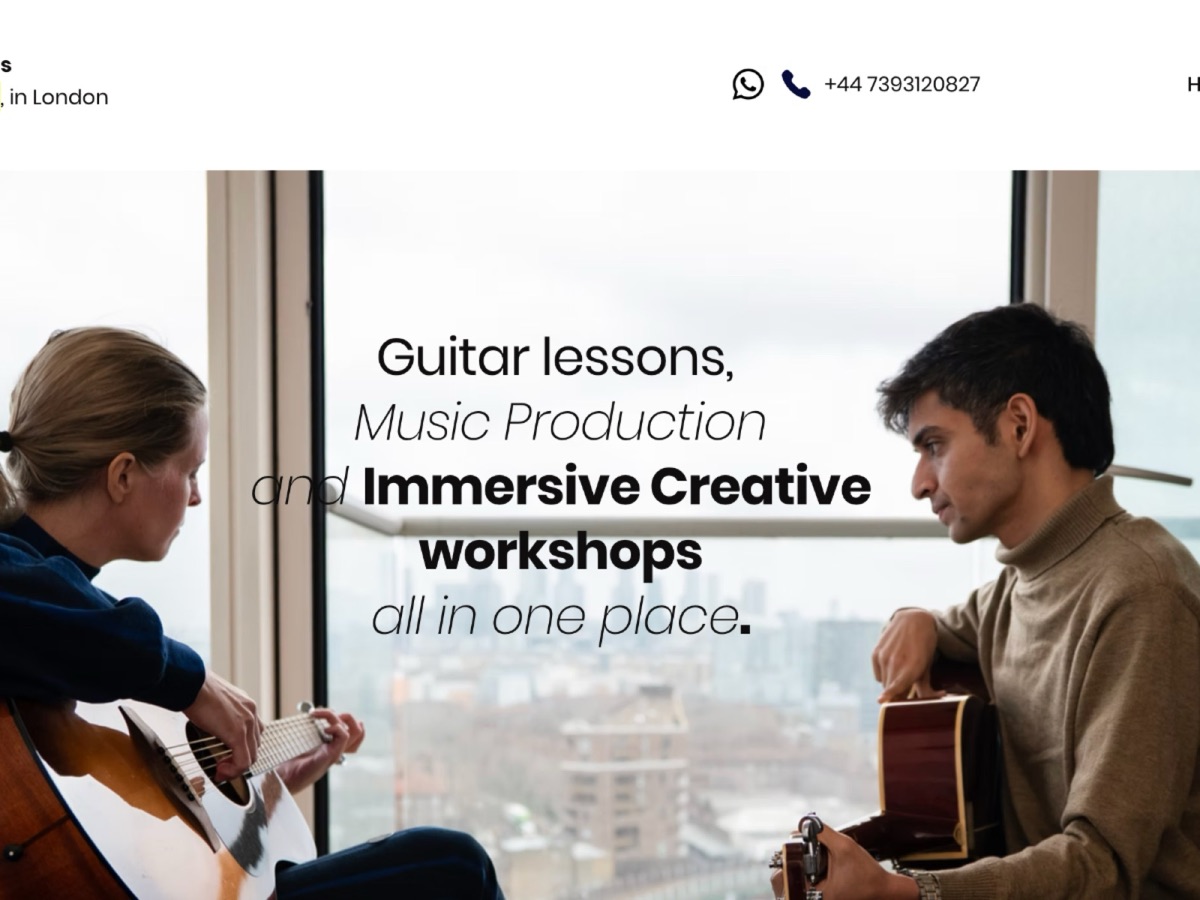
Web · ShippedLeads in WhatsAppMarketing site for a London music school teaching guitar and production, built from scratch after interviewing the owners about who enquires and how. Static, fast, and structured for search: semantic markup, per-page metadata, Open Graph and structured data. Enquiries go straight to the teachers via a WhatsApp deep link, since that is where they already respond.
Scoped, built and shipped in a short cycle, then handed over with a content workflow the owners can run without a developer.